Also spelt
The Stolland, Stalland Street, Stolland
Contents
The Stalland
Location
The Stalland runs north to south from Vicarage Road to Stalland Lane; over much of its length it forms the boundary between Deopham to the East and Hingham to the West:

Meaning
In Old English, steall was a “standing place or stall,” a place of stalls/standings, such as one would find at a market or fair. The older name of Woolwhyte (see below) suggests this was the area where wool was brought, sold, or displayed — hence a descriptive name tied to white wool.
Another interpretation could be the reference to stalls as common grazing land or “standings”.
In other manors, Stalland names survive for greens or commons used for fairs and markets. Other places called Stalland in Norfolk & East Anglia:-
- The Stalland, Wymondham (Norfolk) — fieldname recorded in tithe and estate maps, linked with an area where temporary stalls or standings were erected (see Norfolk Record Office field-name surveys).
- Stalland Close, Methwold (Norfolk) — noted in the Norfolk Historic Environment Record, interpreted as “land by the stalls/standings.”
- Stalland Common, Soham (Cambridgeshire) — common grazing land; “Stalland” preserves the sense of a place where animals were “stood” or tethered.
Elsewhere in England
- Stalland Field, Minchinhampton (Gloucestershire) — recorded in seventeenth-century manorial terriers; interpreted as the site of animal standings.
- Stalland Mead, West Harptree (Somerset) — a meadow adjoining the market area, the name tied to fair-stalls.
- Stalland Farm, Chew Magna (Somerset) — again linked to grazing “standings” rather than stalls in the modern shop sense, but the root is the same.
Woolwhyte
There are various spellings of this name in the Court Rolls of the Dean & Chapter of Canterbury:
| Variant | Year | Links and examples |
|---|---|---|
| Woollwhyte alias Stalland | 1634 | Court of the Manor of Deopham of the Dean & Chapter of Canterbury September 1634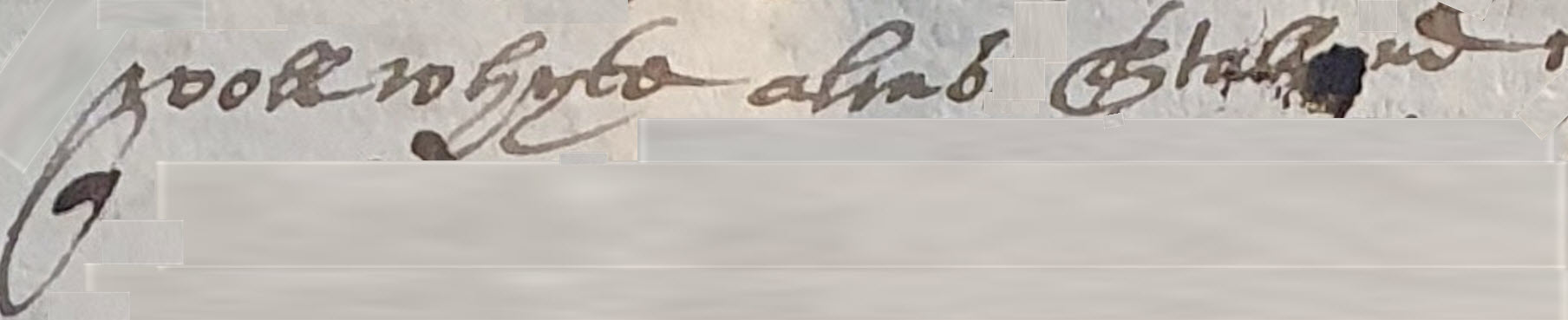 |
| Woolewhite Streete in Deopeham | 1647 | Court of the Manor of Deopham of the Dean & Chapter of Canterbury September 1647 |
| Woolwhyte alias Stalland Street | 1685 | Court of the Manor of Deopham of the Dean & Chapter of Canterbury September 1685 |
| Woolwhite alias Stalland Streete | 1692 | Court of the Manor of Deopham of the Dean & Chapter of Canterbury 1692 |
| Woolwyte Street otherwise Stalland Street | 1745 | Court of the Manor of Deopham of the Dean & Chapter of Canterbury May 1745 |
| Whoolwhite otherwise Stalland Street | 1814 | Court of the Manor of Deopham of the Dean & Chapter of Canterbury April 1814 |
Meaning
In Deopham’s manorial rolls, Woolwyte/Woolwhite Street = “White-Wool Street” i.e., associated with undyed fleeces; it’s the same street also known as Stalland Street, leading to or lying by the Stalland (see above).
In the Court Rolls, the name is often used to define a location for “Browne’s Tenement” which changed hands frequently – presumably not a desirable property. For example, the Court of September 1634 “A tenement called Brownes in Deopham in a way called Woollwhyte alias Stalland containing 1 acre”.
Navigation
| Date | Change |
|---|---|
| 2/1/26 | Published |
 Deopham History